Sustainability
Sustainable logistics - a sustainable approach
In recent years, environmental protection has become a fundamental concern of society. Sustainable logistics focuses on minimizing the environmental impact of logistics activities without compromising the economic efficiency of companies. What are the benefits of sustainable logistics and what does it look like? These questions and the measures with which the supplier of industrial storage systems AR Racking implements sustainable logistics are the subject of this article.
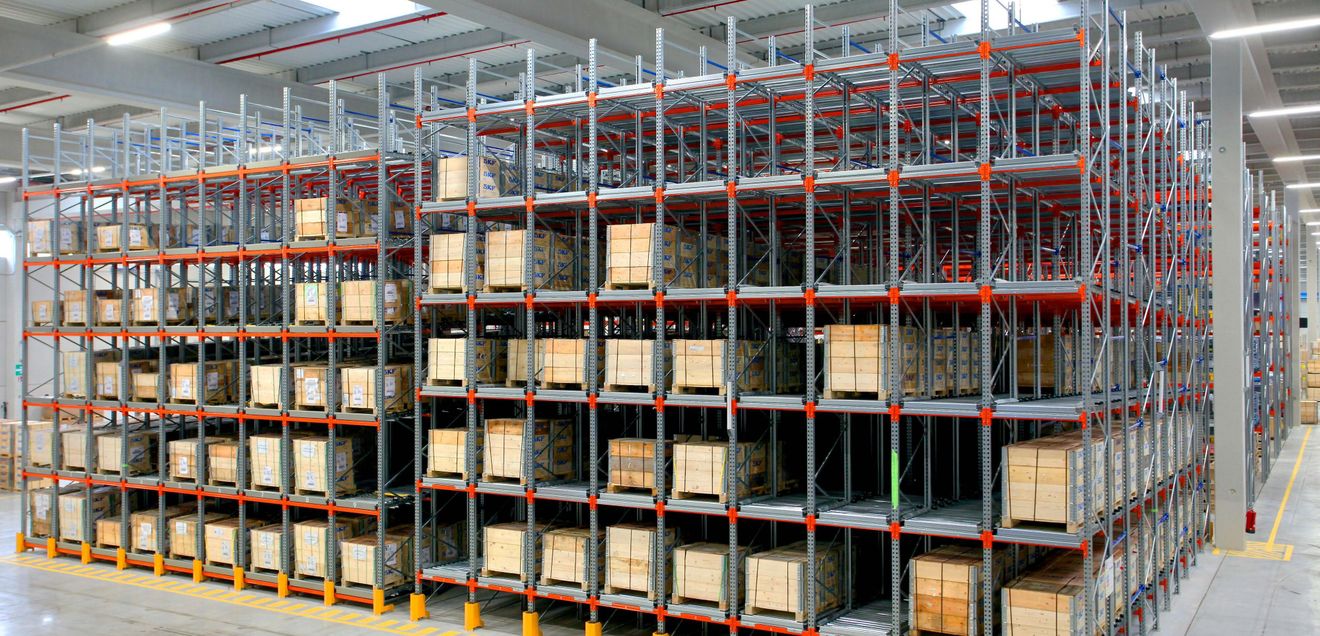
Sustainable logistics is primarily about taking a company's environmental footprint into account when organizing logistics. It refers to the entire supply chain and aims to reduce the company's impact on the environment without compromising its economic activity. This is achieved by making significant changes to logistics activities, such as selecting sustainable suppliers, optimizing warehouse space and automating logistics processes.
Sustainable logistics as a competitive advantage
The introduction of environmentally friendly logistics can be beneficial for companies for several reasons: Probably the most important benefit of sustainable logistics is the reduction of the environmental impact caused by the company. This benefits not only the company, but also society as a whole given the current environmental situation. Sustainable logistics also helps to reduce the distance and number of transportation operations, especially for internal combustion engine vehicles that emit greenhouse gases. This allows companies to make significant savings while reducing their environmental impact. Environmentally friendly logistics also includes the use of biodegradable or reusable packaging materials. While these can be more expensive to purchase than disposable materials, recyclable materials can save companies money in the long run. This improves inventory management and reduces wastage of goods or raw materials, saving on restocking costs. Introducing automated processes increases logistical efficiency and reduces environmental impact. For example, an automated inventory management system can help minimize losses due to products reaching their expiry date.
Sustainable logistics and intralogistics
Within the warehouse, the optimization of storage space plays an important role in sustainable logistics. This reduces the number of movements of the handling machines and avoids unnecessary storage processes. This saves energy. It also makes employees' work easier and increases storage capacity. Optimizing the storage area also reduces the area that needs to be kept at a controlled temperature for companies that need to store at controlled temperatures. This reduces the environmental impact and operating costs.
Outside the warehouse, sustainable logistics is implemented through the introduction of a corporate social responsibility (CSR) policy. This means that the company complies with certain social and environmental requirements. For example, it selects suppliers who commit to an environmental charter, gives preference to local suppliers to shorten transport distances and ensures that transport loads are optimally utilized. The future of environmentally conscious logistics is likely to involve greater automation of the supply chain. Logistics 4.0, which includes the use of artificial intelligence, digitized information and robotics, is already underway. These automated solutions support sustainable logistics by limiting the use of polluting energy.
Sustainability in cooperation with the parent company
- AR Racking wants to demonstrate its commitment to sustainability with the "Living Sustainability" project. This project is part of a broader strategy to create value in all areas of the company's activity, acting responsibly in the present for a more sustainable future. The "Living Sustainability" project, driven by the parent company Grupo Arania, represents a formal commitment to implementing sustainable strategies and actions. This project focuses on three main areas:
- Business and governance area: promoting a culture of sustainability, risk and opportunity management, ethical business practices and responsible and transparent communication
- Social: promoting and respecting human rights, equality, health and safety in the workplace (ISO 45001), professional development and external social measures
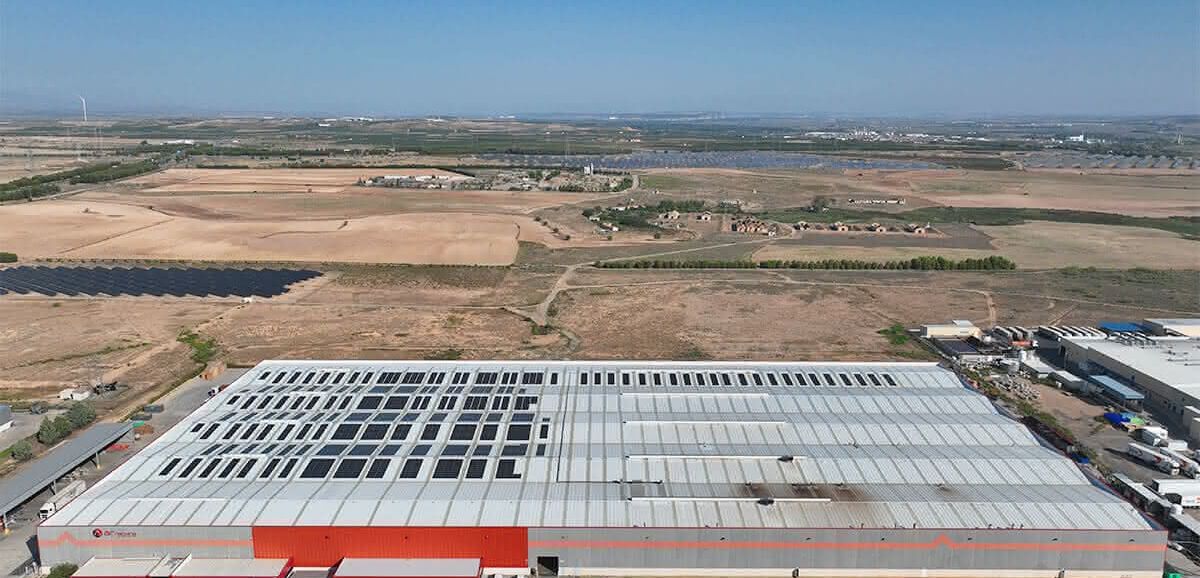
- Environmental area: This includes ISO 14001 and ISO 50001 certification, the installation of photovoltaic systems, the promotion of sustainable mobility, the circular economy and the reduction of the carbon footprint
AR Racking has also been awarded EcoVadis Gold certification, which recognizes the company's commitment to sustainability. A certificate of origin also guarantees that 100% of the electrical energy used comes from renewable sources. The company also uses processes that minimize waste and promote the reuse and recycling of materials. In addition, it has adopted the use of low-emission steel, an initiative to reduce the carbon emissions associated with steel production.


You might also be interested in
Sixth AutoStore project for New Wave
Element Logic is implementing its sixth joint project with the New Wave Group: a future-proof AutoStore system for the logistics center in Geiselwind.
 read more...
Everything is in its place
Vet-Concept produces and sells high-quality dry and wet food. The company sells almost exclusively online and also has its own small store in Föhren for customers to collect their own products. BITO-Lagertechnik has supported the company since its...
read more...Designing crisis-proof warehouse technology
Geopolitical tensions, rising costs and increasing protectionism have fundamentally changed the economy. The days when goods were simply stored are long gone - today it's all about remaining flexible, reacting quickly and finding ever smarter...
read more...Shelving specialist Elvedi celebrates its 40th anniversary
The shelving system provider Elvedi is celebrating its big anniversary in 2024. The shelving manufacturer intends to continue on this growth path in the future and is planning to expand its sales territory in Europe.
read more...Drill core storage for the Mont Terri rock laboratory
The plant and racking specialist Stöcklin received the order for an unusual racking system in an unusual location and found an unusual solution for it.
read more...MS Motorservice International relies on Kardex Mlog
MS Motorservice International, the sales organization for Rheinmetall's global aftermarket activities, has commissioned Kardex Mlog as general contractor to build a four-aisle high-bay warehouse at its Neuenstadt site. The high-bay warehouse will be...
read more...Warehouse concept from Schulte impresses at Liebherr-Logistics
Liebherr-Logistics built a new warehouse at the Oberopfingen site. Schulte equipped this with a complete package: Within a short space of time, pallet, cantilever and shelving racks were installed in all three sections of the new building.
read more...Mayr-Melnhof Packaging optimizes logistics operations with AR racks
The Chilean subsidiary of the European group for the production and distribution of paper and cardboard packaging has carried out a comprehensive logistics optimization project at its distribution center in Santiago, Chile.
read more...Multi-coloured labels help to optimize throughput
Founded in 2007 as a start-up with three employees, Cybertrading GmbH has since developed into a global distributor of remanufactured IT hardware with more than 100 employees. The course for further growth has
read more...