
Software
Artificial intelligence optimizes warehouse processes
Intralogistics is facing a profound change: artificial intelligence is increasingly becoming the central technology for making internal material flows more efficient, flexible and cost-effective. Companies in all sectors are therefore increasingly relying on AI-supported systems to optimize warehouse and transport processes and strengthen their competitiveness.
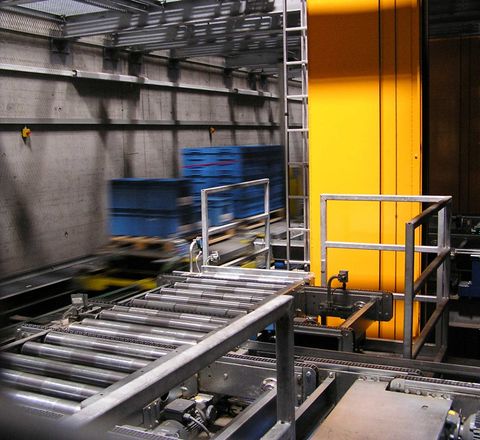
Artificial intelligence is becoming increasingly present, including in intralogistics. "Digitalization has been rapidly gaining importance in intralogistics for years. AI-supported software solutions make it possible to analyze processes in real time, identify bottlenecks at an early stage and take resource-saving measures," says Rainer Schulz, Managing Director of sysmat GmbH and intralogistics expert. Thanks to machine learning and intelligent algorithms, warehouse movements are optimized. Autonomous transport systems also control and inventory management can be made more efficient.
AI-supported automation lays the foundation
One of the central challenges in modern intralogistics is the optimization of warehousing and goods movement. AI systems analyze large amounts of data and develop optimal warehouse strategies based on forecasts. Intelligent warehouse management software recognizes patterns in ordering behaviour and automatically adjusts replenishment processes. "This shortens delivery times, reduces stock levels and saves costs," Schulz explains. Autonomous mobile robots and driverless transport systems are among the other innovations that have been significantly improved through the use of AI.
"These systems navigate independently through warehouses, avoid collisions and continuously optimize their routes. Thanks to the integration of sensor technologies and AI-based control systems, they work seamlessly with existing infrastructures and enable dynamic adaptation to changing production and logistics processes," explains the expert.
Environment on the agenda
In addition to increasing efficiency, AI technologies offer considerable ecological benefits. More precise demand analyses and optimized transport routes can reduce unnecessary journeys and the associated carbon dioxide emissions. The resource-efficient use of energy and materials helps companies to achieve their sustainability goals and minimize their ecological footprint. "This is another reason why the importance of artificial intelligence in intralogistics will continue to grow in the coming years. Companies that invest in intelligent automation solutions at an early stage will secure decisive competitive advantages," Schulz looks ahead and adds: "The use of AI in intralogistics is not only a technological advance, but also a key driver for the future viability of the entire logistics industry."


You might also be interested in
Support for people
Sysmat, a regular guest at Logimat, is bringing its proprietary Mat-Control graphics solution to Stuttgart this year. Thanks to its many flexible interfaces, the graphical material flow computer harmonizes systems from more than 30 manufacturers.
 read more...
Self-sufficient systems brought together
At the Logimat stand, Sysmat provided insights into its Matcontrol Graphics material flow computer. It has flexible interfaces and thus brings together independently operating systems.
read more...A Centralized View of Complex Processes
Today, medium-sized logistics companies must manage an increasingly diverse range of operations efficiently and reliably. Different modes of transport, customized customer solutions, and established workflows can hardly be accommodated by...
read more...Robotics Integration for Greater Efficiency in Inbound Goods Processing
Infios is helping Kellner & Kunz, a specialist in tooling and C-parts, expand its automation strategy. The next step in this long-standing partnership is the integration of robotics into inbound logistics.
read more...Flying warehouse robot impresses the jury
The Swiss deep-tech company Verity has been awarded the 2026 IERA Award for its autonomous indoor drone system. The flying robots monitor inventory levels autonomously, operate without GPS, and are already in use in approximately 200 warehouses...
read more...The Right Warehousing Solution for Every Logistics Need
Whether it’s an S/4HANA implementation, the urgently needed replacement of the traditional SAP WM, or the growing demands for digitalization and automation—many companies are faced with the question of which warehouse management system will best...
read more...Digital processes shorten delivery times
trans-o-flex makes delivery times easier to plan
trans-o-flex ThermoMed Austria is optimizing its delivery processes with new scheduling software and a digital self-handling module for drivers.
read more...Route planning and optimization solution
Jumbo backs Greenspan
The Dutch supermarket chain Jumbo has realigned its e-commerce logistics with Greenplan, the intelligent route planning and optimization solution from the Ehrhardt Partner Group.
read more...New version of Röhlig Realtime
Röhlig Logistics presents the enhanced version of "Röhlig Realtime". The company is supplementing its digital service portfolio with a central platform that ensures greater transparency and networking throughout supply chain management.
read more...