
Sustainability
On the way to green logistics
The topic of green logistics is becoming increasingly popular in the industry. Companies want to reduce the environmental impact of transporting and delivering goods without sacrificing the efficiency of their logistics chain.
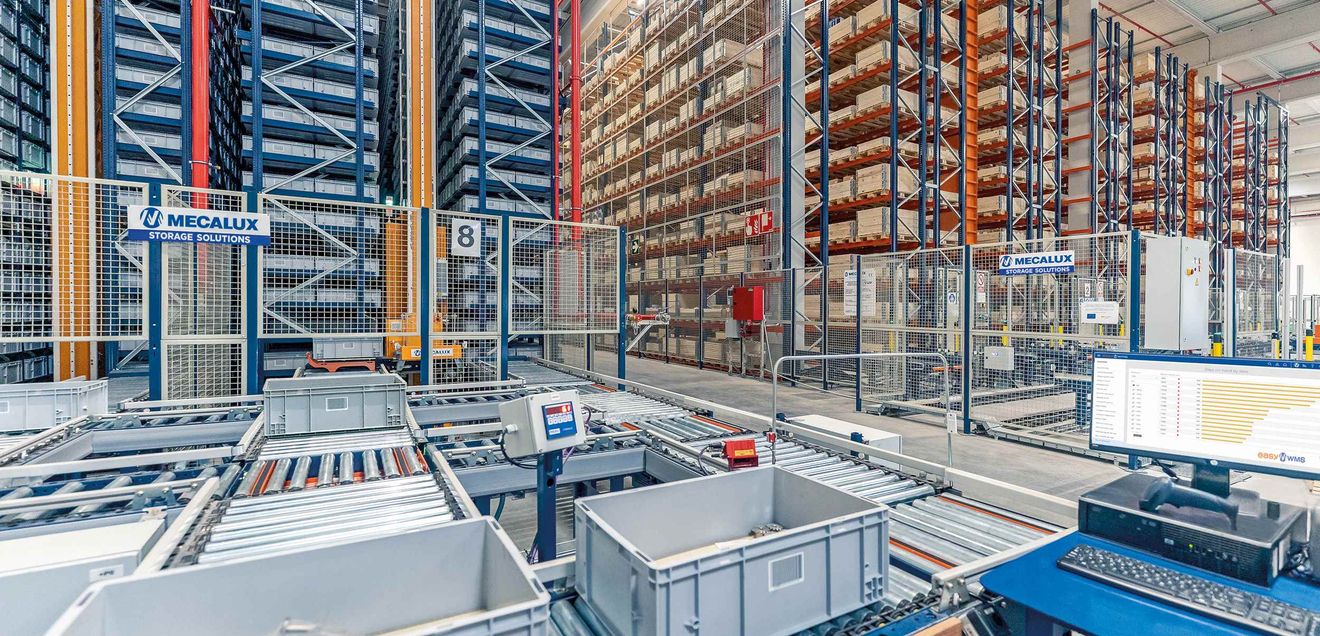
Logistics managers are faced with the challenge of providing high-quality services while ensuring a greener and more sustainable world. Planning delivery routes and recycling materials in packaging are just some of the measures being taken to reduce the carbon footprint of logistics in today's world.
A study by the consulting firm Ernst & Young shows the need to promote green logistics in companies: More than 90% of a company's greenhouse gas emissions and between 50% and 70% of operating costs are attributable to supply chains, according to the study. Companies are not only looking for ways to avoid risks and comply with regulations, but also for ways to create long-term value by integrating sustainability into the supply chain.
What is green logistics?
Sustainable logistics refers to a range of measures that limit the environmental impact of processes such as transport or storage while optimizing time and costs. The concept of green logistics is central to the development of a circular economy. This is a model of production, distribution and consumption in which materials are recycled and reused in order to extend their useful life as long as possible and generate less waste.
These are important goals of green logistics:
- Understanding and quantifying the carbon footprint of different logistics operations. By measuring the environmental impact of the supply chain, companies can take action to reduce greenhouse gas emissions.
- Planning operations to ensure sustainable use of resources. Green logistics is based on the creation of logistics and transport plans that optimize the use of fuel, vehicles or containers.
- Promoting sustainability throughout the supply chain. Green logistics is not efficient if it is only introduced in one link of the supply chain. Sustainability must be considered at all stages - from product design to material distribution and delivery of the goods to the end customer.
The central role of the warehouse in green logistics
Green logistics pursues two goals, among others: Reducing the environmental impact of operations without losing competitiveness. A fundamental phase of sustainable logistics is transportation, both in the delivery of raw materials to production sites and in the subsequent distribution of orders to end customers. To reduce the carbon footprint of transport, for example, routes must be planned to optimize the movement of goods. Proper fleet management limits pollution from transportation and promotes efficiency by avoiding idling vehicles in yards and at loading docks.
Optimizing warehouse management not only increases warehouse performance, but also promotes green logistics. A facility with a lower error rate when compiling and consolidating orders minimizes the number of product returns, which is one of the most costly processes in warehouses. Green logistics also means reducing the unnecessary use of materials when shipping orders. By implementing a logistics program that guides warehouse employees in processes such as filling, labeling or packing, productivity is increased and the risk of errors in the warehouse is reduced.
The automation of warehouse technology and the centralized design of warehouses can play an important role on the road to more sustainable logistics. For example, the Spanish manufacturer of transmission components Industrias Yuk has centralized five locations in a single warehouse equipped by Mecalux. This has enabled the company to significantly reduce its emissions.
Green logistics and reverse logistics - that's the difference
The terms reverse logistics and green logistics are related. Take-back logistics comprises the processes that are carried out when an order is returned. Green logistics, on the other hand, is a series of measures designed to reduce the environmental impact without compromising the efficiency of the service for the end customer.
The two approaches are linked, as sustainable business is not possible without efficient reverse logistics. The main difference between reverse and green logistics is that reverse logistics only includes material recovery methods for product returns, while green logistics takes a more holistic approach: It aims to implement measures throughout the supply chain to reduce companies' carbon footprint and promote more sustainable operations. According to a study by the US consulting firm Embracing technology and sustainability in freight transport, new technologies will play a crucial role in the transition to green logistics.
.


You might also be interested in
The packaging world looks to Düsseldorf
Hot topics at Interpack 2026
Interpack has been bringing together the global processing and packaging industry in Düsseldorf since May 7, 2026. The focus will be on AI, automation, sustainable materials and new skills requirements.
 read more...
Sustainability needs decisions
To mark Earth Day, Nagarro is calling for a rethink: sustainability should no longer be documented, but actively managed - with artificial intelligence as a central lever. Because AI brings light into the darkness of global supply chains.
read more..."Green logistics is a decisive factor in achieving climate targets"
What trends and developments are there in the industry when it comes to green logistics? Experts provide insights: Stefan Borggreve is CDO and board member at Hellmann Worldwide Logistics.
read more...Route planning for electric, hydrogen and...
"DRivE" project partners complete successful test phase
The "Production Engineering of E-Mobility Components" (PEM) chair at RWTH Aachen University has successfully completed the pilot phase of the "DRivE" research project together with partners. In a two-month field trial, software was tested that is...
read more...On trend: green logistics
What trends and developments are there in the industry when it comes to green logistics? Experts provide insights: Markus Müllerschön is Vice President Sales at Viastore Software.
read more...Noerpel Group tests hydrogen trucks
On July 25, Noerpel started the test phase with a hydrogen truck at the Heidenheim site. After two weeks, the Noerpel Group draws a positive interim conclusion about the 18-ton truck in terms of performance and driving characteristics, but remains...
read more...Sustainable logistics centers in times of crisis
With its Multicube concept, which the Pfenning Group has been pursuing for over twelve years, the company aims to set standards in terms of sustainable construction methods for logistics properties.
read more...Special land management and special foundation
A logistics park on a former landfill site
CTP, developer, owner and manager of industrial and logistics real estate, has won this year's Brownfield 24 Award in the Best Brownfield Project (Logistics) category with its first German new-build project.
read more...Ecovadis Platinum Medal for Linde Material Handling
The goods handling specialist Linde Material Handling (MH) has made progress in achieving its sustainability targets and has been awarded a platinum medal by the rating agency Ecovadis.
read more...