
Pallet pooling
New EU packaging regulation: pooling as an opportunity
The Packaging & Packaging Waste Regulation (PPWR), which is due to be ratified by the European Parliament this year, is one of the most significant changes in European packaging regulation. It represents a major challenge for companies' logistics, but at the same time offers considerable opportunities, including in the pooling sector.
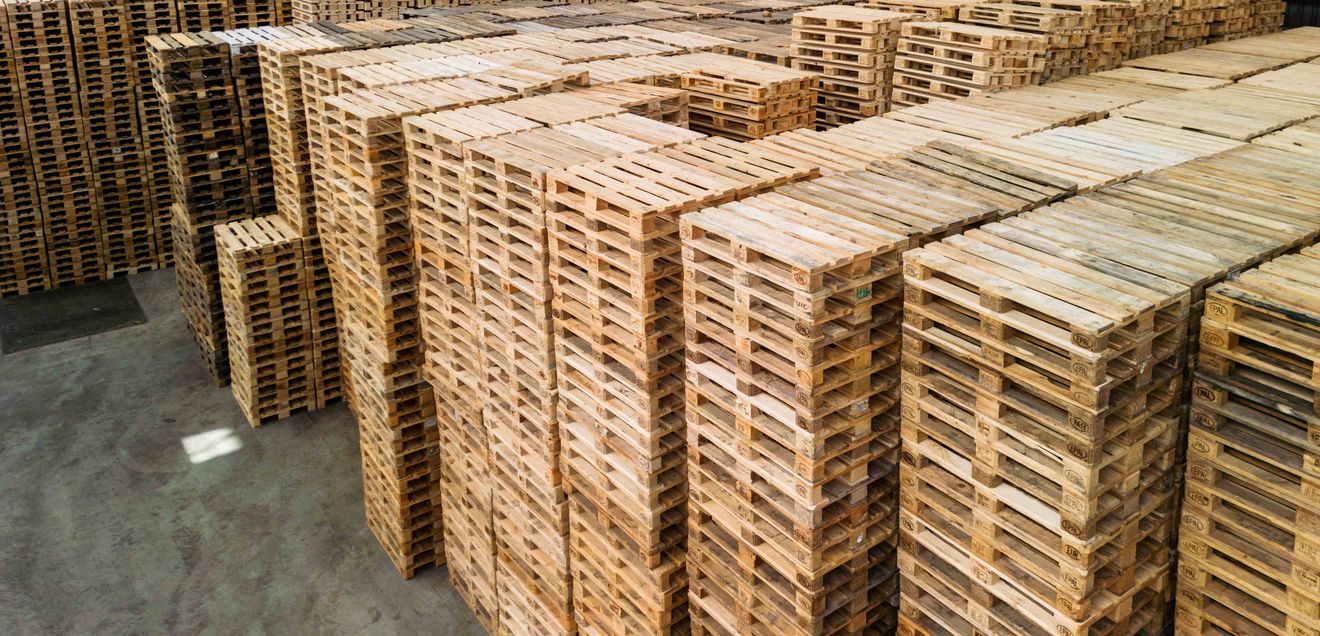
The PPWR replaces the previous EU Packaging Directive (94/62/EC) and will be applied directly in all 27 EU member states as a regulation with a transitional phase of 18 months after coming into force. Companies must therefore have adapted their processes to the new requirements in the course of 2026. The PPWR focuses on reducing packaging waste and promoting a sustainable circular economy, which also has a significant impact on companies' logistics.
While many logistics companies are facing the challenge of integrating the new requirements into their processes, Paki Logistics sees the PPWR primarily as an opportunity. The regulation creates incentives to optimize the use of packaging and establish sustainable logistics solutions. As an open pooling service provider for standardized load carriers, Paki Logistics makes it possible to use and return load carriers flexibly, which saves costs and resources. This is particularly relevant in the context of PPWR, as companies in the logistics, retail and manufacturing sectors meet legal requirements by relying on reusable, durable pallets and thus reducing their ecological footprint, among other things.
Key points of the regulation
The PPWR defines clear requirements for packaging and packaging waste. A central component is the introduction of stricter rules for packaging design, waste management and the reduction of single-use packaging. The core requirements include packaging design: companies must ensure that packaging is produced as resource-efficiently and efficiently as possible. Another is the reusable quotas: The regulation obliges companies to significantly increase the proportion of reusable packaging. Waste management is also an important cornerstone: Companies must take measures to reduce packaging waste and promote recycling.
The impact on logistics
Logistics, particularly in the area of load carrier management, can play a key role in implementing the PPWR, as transport packaging accounts for around a third of packaging waste in Germany. Packaging is essential for transporting and storing goods safely. However, logistics in particular generates enormous quantities of packaging that is often only used once and then disposed of. For companies, the PPWR therefore means rethinking their logistics processes and switching to reusable transport and packaging systems. This not only involves the use of reusable pallets and containers, but also the optimization of transport routes in order to avoid unnecessary empty runs, use resources more efficiently and thus reduce their own carbon footprint.
Support with the implementation of PPWR requirements
Paki Logistics offers a range of services and solutions to help companies integrate the requirements of the PPWR into their logistics processes. As an expert in the field of load carrier management, Paki focuses on efficient load carrier management, which includes the optimization of transport processes and the promotion of cooperation along the entire supply chain. By using wood from renewable raw materials in the pallet pool, the company combines ecological responsibility with the practical advantages of reusable use.
The pooling service provider helps to analyze companies' existing logistics processes and identify potential for reducing empty runs or transport waste. By using environmentally friendly, exchangeable reusable pallets, the circular concept is integrated directly into the supply chain. Companies benefit from a more efficient use of transport capacities and the associated reduction in carbon dioxide emissions.
With the help of digital platforms such as Drop & Drive and the e-voucher, Paki also supports companies in simplifying and automating pallet exchange. These digital tools ensure transparent and efficient management of load carriers, which not only optimizes logistics. They also enable seamless traceability of the load carriers. Paki Logistics also wants to offer its customers the opportunity to make their entire supply chain more sustainable. This includes, in particular, the long-life pallet pool and the development of strategies to avoid and reduce waste.
Another key aspect of the PPWR is the promotion of cooperation along the supply chain. According to Paki Logistics, it is committed to connecting companies with one another in order to work together on sustainable transport solutions. These partnerships make it possible to exploit synergies and develop innovative approaches to environmentally friendly logistics.
Opportunities for companies
Implementing the PPWR initially requires companies to invest in more environmentally friendly transportation and packaging systems and technologies. In the long term, however, there are considerable opportunities: by using reusable load carriers and optimizing the supply chain, not only can costs be lowered, but the environmental impact can also be reduced. Companies that respond to the new requirements at an early stage can also position themselves as pioneers in terms of sustainability and thus tap into new, environmentally conscious customer segments. The PPWR also offers numerous advantages for customer loyalty. Environmentally conscious consumers and business partners are placing increasing value on sustainable products and processes. Companies that adapt their logistics accordingly can secure a competitive advantage and benefit from a positive image in the long term.


You might also be interested in
Smart and environmentally friendly load carriers
Epal Germany is focusing on solutions for efficient and environmentally friendly logistics at transport logistic 2025.
 read more...
Focus on sustainability and digitalization
PAKi Logistics, provider of load carrier management in the open pool, will be represented at this year's transport logistic - together with its sister companies IPP, vPOOL under the umbrella of the Faber Group and the partner company Connected Load...
read more...Sustainable savings through open pooling systems
PAKi Logistics recently carried out a life cycle analysis to compare the environmental impact of different pallet systems. The results show that PAKi's open pooling system enables savings in CO₂ emissions, fossil resources and wood consumption. A...
read more...Chep: Helen Lane is CEO for Europe
Chep, a supply chain solutions company with an international pooling network for load carriers, has appointed Helen Lane as the new CEO for its European business, effective November 11. She succeeds David Cuenca, who recently assumed the role of CEO...
read more...Changes in corporate management at vPool Logistics
vPool Logistics, a Faber Group subsidiary specializing in load carrier pooling in the food industry, has undergone a change in management: On October 1, 2024, Andreas Lenz took over the position of CEO, while Torsten Junker completes the new top...
read more...Anne Kramer-Münch new CEO at PAKi Logistics
Anne Kramer-Münch has been CEO of PAKi Logistics, a well-known open pooling service provider for the management of standardized exchange pallets and boxes, since 1 April.
read more...Management change at Paki Logistics
Marc Groenewoud, who has developed Paki Logistics into the European market leader for load carrier management in the open pool over the past two and a half years, has left the company as of February 15 and will join a German trading company as a...
read more...EPAL digitizes the open pallet pool
At the beginning of the year, the European Pallet Association introduced the EPAL Euro pallet QR as a new product in the open EPAL pallet pool.
read more...AI-based service for the immediate purchase of Euro pallets
Pacurion, a digital trading platform for load carriers, has developed an AI-based service that enables customers to buy Euro pallets quickly and easily - in quality classes new to C.
read more...